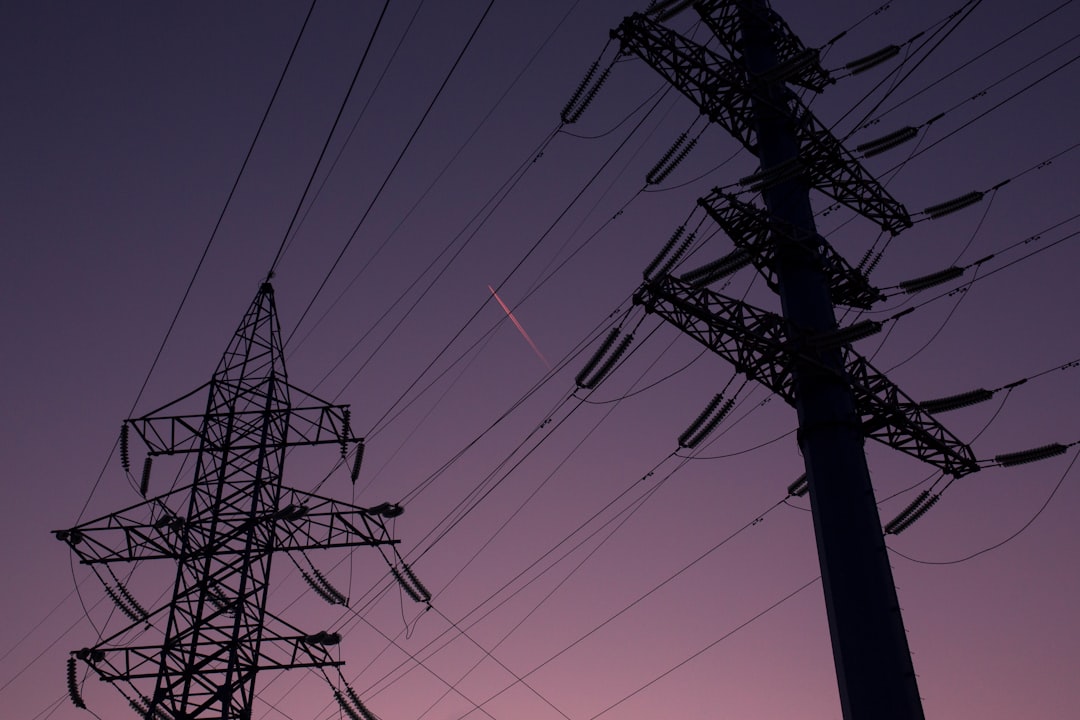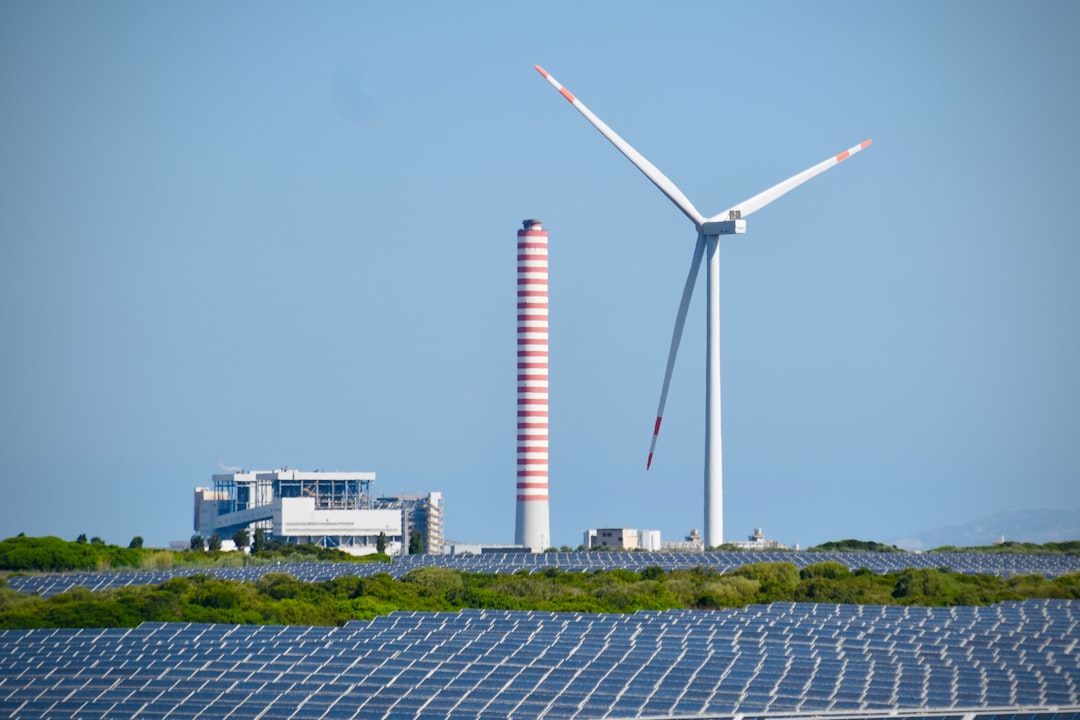
The energy sector is witnessing a seismic shift in how its biggest new customer operates. According to OilPrice.com, "the grid is losing its biggest new customer" as tech giants reconsider their dependence on traditional utility infrastructure. The headline reflects a broader trend: AI data centers, which were supposed to be the grid's salvation during a period of flat electricity demand, are instead forcing a reckoning about how power systems can—or should—serve these massive new loads.
This pivot matters enormously. For years, utilities and grid operators viewed AI infrastructure as a growth opportunity that could justify investments in modernization. But the reality is proving more complicated. As OilPrice.com noted, "AI centers often will locate their own power plant," meaning some of the sector's largest electricity consumers are opting out of the traditional grid entirely rather than risk the constraints and costs of relying on utility infrastructure.
The implications ripple across energy markets. According to Bloomberg's reporting, "inflation pulse from AI and energy will last decades," suggesting that the energy demands of artificial intelligence aren't a temporary phenomenon but a structural force reshaping how we think about power generation and distribution for the foreseeable future.
When Data Centers Build Their Own Power Plants
The trend toward self-sufficiency reflects real constraints in the current system. Reuters reported that "NextEra secures land in Texas for giant gas plant to power data centers," indicating that major energy companies are themselves pivoting to serve AI infrastructure directly rather than through traditional utility channels. This represents a fundamental shift in how energy infrastructure gets built and financed.
What's driving this? According to OilPrice.com's analysis, the concern is that "AI centers will put burdens on all other grid customers, thereby socializing the costs to the benefit of organizations that do not need a subsidy from everybody else." In other words, if data centers draw massive amounts of power during peak demand periods, they could destabilize the grid for everyone else—unless they're isolated from it entirely.
The irony is sharp: the companies building artificial intelligence systems that promise to optimize everything from energy grids to supply chains are simultaneously deciding that optimization means bypassing the grid altogether.