Oil & Gas · Analysis
Oil Markets Swing as Iran Ceasefire Extension Fails to Ease Hormuz Standoff
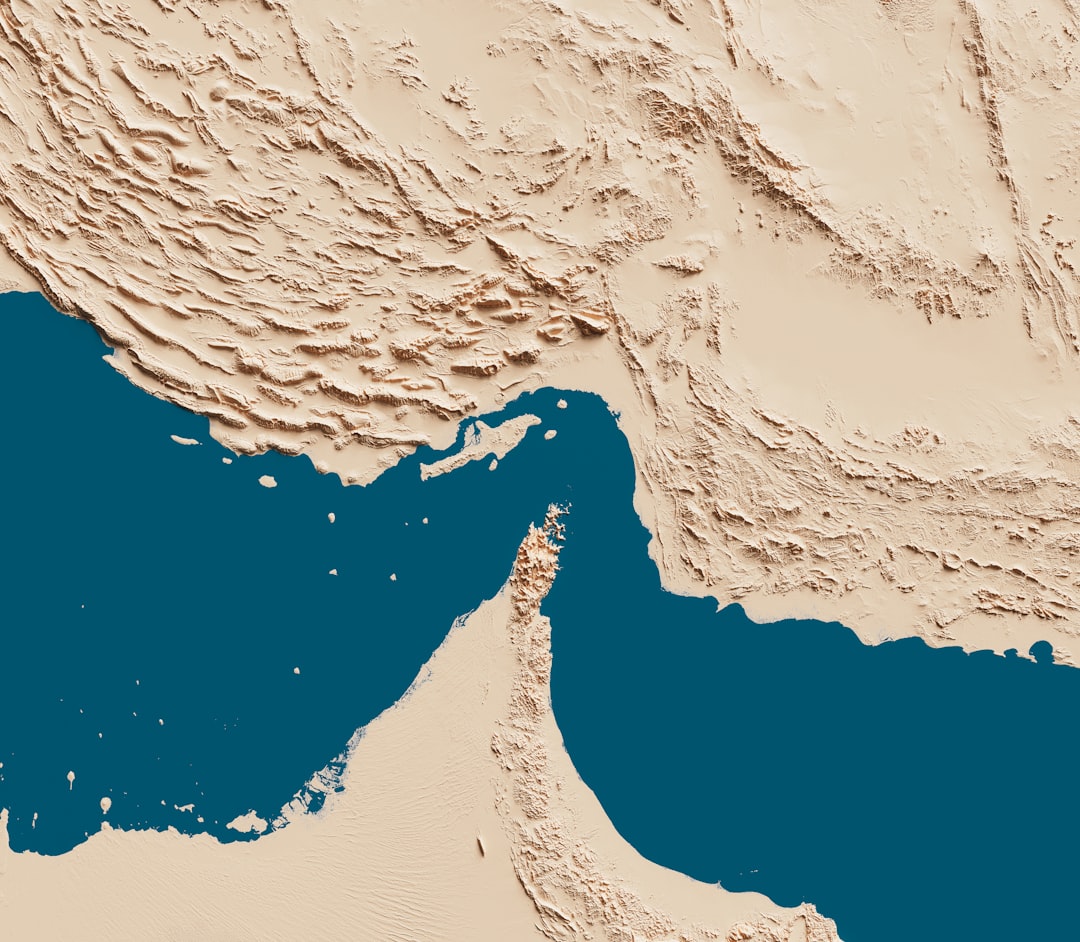
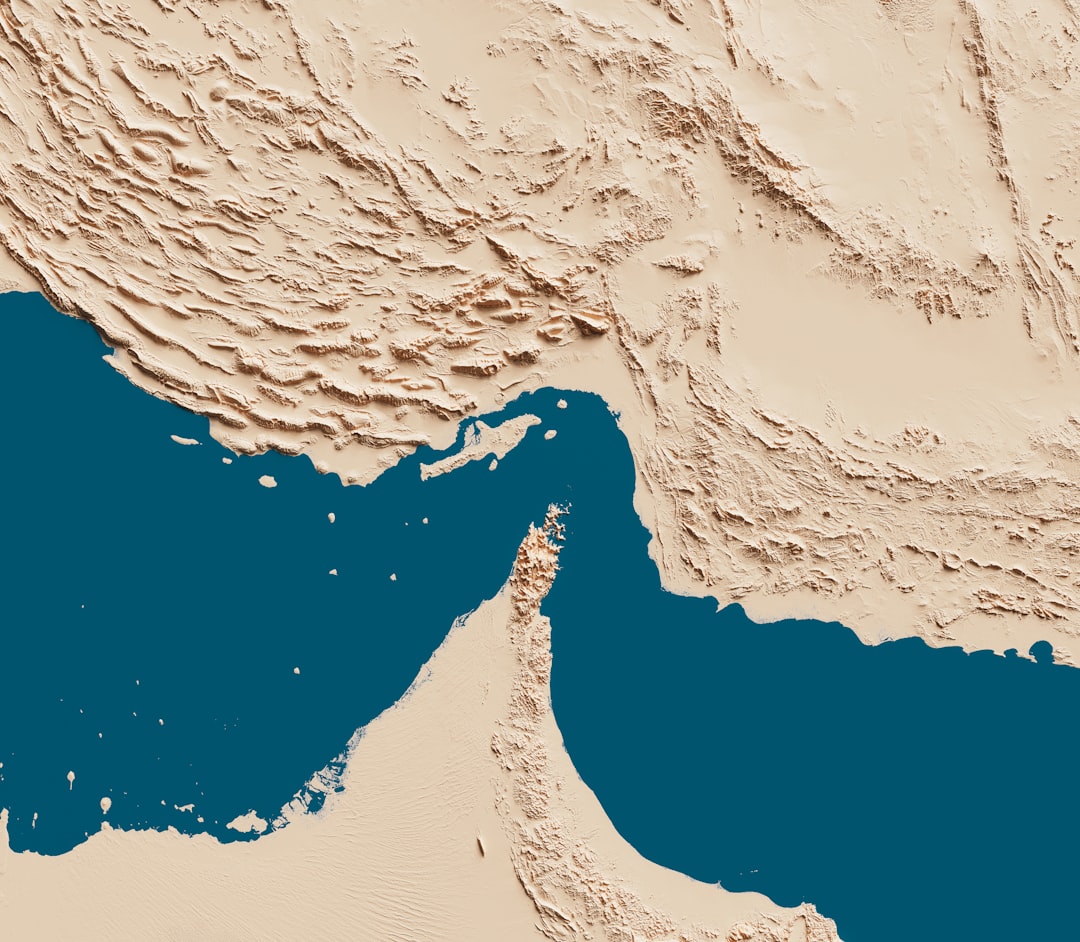
Oil prices surged above $100 per barrel Wednesday as Iran seized two commercial vessels in the Strait of Hormuz, underscoring how President Trump's ceasefire extension has done little to resolve the energy crisis gripping global markets.
Stake & Paper Editorial TeamApril 23, 2026
Oil prices jumped more than 3% on Wednesday, with Brent crude closing at $101.91 per barrel and West Texas Intermediate settling at $92.96 per barrel
, as
Iran's Revolutionary Guard seized two container ships attempting to cross the Strait of Hormuz "without authorization," according to state news agency Tasnim
.
The seizures came just one day after
President Donald Trump announced an extension to the U.S. ceasefire with Iran, saying the decision was made following a request from Pakistan, which is mediating peace talks between the two countries
. But
the ceasefire extension will not necessarily lead to an increase in oil exports through the strait
, as
the U.S. is maintaining its naval blockade of Iran during the ceasefire
.
Ship traffic in the Strait of Hormuz is still way below normal levels before the war when more than 100 vessels crossed daily
.
At least eight ships transited the strait Wednesday including three oil tankers, according to tracking data from LSEG
.
Exports from Middle East Gulf producers have collapsed during the war, triggering the largest oil supply disruption in history
.
Stalled Negotiations Leave Markets in Limbo
Trump's announcement came after reports that an expected trip by Vice President JD Vance to Pakistan for a second round of peace talks with Iranian officials had been put on hold, and after the Iranian state news outlet Tasnim reported that negotiators from Tehran had informed their U.S. counterparts through an intermediary in Pakistan that they would not appear for further talks
.
Iran has insisted that the blockade represents a violation of the ceasefire, and has said it will not negotiate under the "shadow of threats" or while the blockade remains in place
.
Fatih Birol, the head of the International Energy Agency (IEA), on Tuesday said the Iran war has resulted in the "biggest" energy crisis in history
.
The ongoing disruption is contributing to severe supply concerns, with estimates of demand destruction nearing 4 to 5 million barrels per day, or about 5 percent of global supply, with Asia most affected
. According to market data, WTI crude traded at $71.50 per barrel on Wednesday morning, up 0.6%, while Brent crude stood at $75.20 per barrel, up 0.5%.
Europe Reconsiders Arctic Drilling Ban
In a separate development highlighting energy security pressures,
the European Union is considering dropping its opposition to new oil and gas drilling in the Arctic, the Financial Times reported on Wednesday, citing multiple people familiar with discussions and a document. The EU has been pushing for an international ban on new oil and gas drilling on environmental grounds since 2021, but is now weighing abandoning the proposal
.
Already the continent's biggest single supplier of natural gas since Russia invaded Ukraine, Norway is hoping to use the Middle East war to get European Union blessing to drill in the Arctic. The European Commission is revising its Arctic strategy, which has since 2021 committed the EU to work towards an international moratorium on oil and gas drilling in the region. With Iran blocking the Strait of Hormuz — a crucial conduit for oil and gas deliveries — Norwegian politicians and business circles have been quick to lobby for the planned ban to be scrapped
.
Oil and gas companies including Norway's Equinor and a lobby group backed by Shell, TotalEnergies and ConocoPhillips have backed calls for the EU to drop an effective ban on future drilling in the Arctic. More than 10 oil and gas companies and industry groups seized on arguments about energy security in response to an EU consultation on its Arctic policy, stressing the need for its continued access to hydrocarbons
.
California Pipeline Project Advances
Amid the global supply turmoil,
Phillips 66 and Kinder Morgan announced the advancement of the Western Gateway Pipeline, a proposed refined products pipeline system, following a successful second open season that secured long-term shipper commitments sufficient to move the project forward
.
The Western Gateway Pipeline will connect Midwest and Gulf Coast refinery supply to Phoenix, Arizona and California markets with connectivity to Las Vegas, Nevada via Kinder Morgan's CALNEV Pipeline. The Western Gateway Pipeline will consist of a new-build pipeline from Borger, Texas to Phoenix, Arizona, combined with Kinder Morgan's existing SFPP, L.P. pipeline from Colton, California to Phoenix, Arizona, which will be reversed to enable east to west product flows into California
.
The project is targeting an in-service date of mid-2029
.
Two refineries have closed in California in recent months, sapping roughly 20% of the state's refining capacity and heightening the region's dependence on fuel from other states and nations
.
Natural Gas Sector Shows Resilience
While oil markets grappled with geopolitical uncertainty,
Kinder Morgan topped quarterly profit estimates amid rising natural gas demand
, according to Reuters. According to market data, Henry Hub natural gas traded at $3.25 per MMBtu on Wednesday, down 2.4% from the previous session.
The energy crisis shows no signs of abating.
Iran's attacks on oil tankers before the ceasefire led to a plunge in traffic through the strait, triggering what's been described as the largest oil supply disruption in history. About 20% of the world's crude supplies passed through the strait before the war. It will take until July for oil flows to reach up to 90% of prewar levels and up to another two months for barrels to arrive at refineries around the world for processing into products, according to Rystad Energy
.