Thursday, April 23, 2026Vol. III · No. 113Subscribe

Stake & Paper

The Mining, Energy & Technology Wire
Mining · Analysis

US Pushes Allies to Pay Premium for Critical Minerals as Congo Stockpiles Supply

Washington urges trading partners to accept higher prices for strategic minerals while the Democratic Republic of Congo establishes reserves to control global cobalt markets. Meanwhile, questions emerge over a flagship US mining deal and Europe's first lithium mine seeks protection from Chinese competition.

PhotographWashington urges trading partners to accept higher prices for strategic minerals while the Democratic Republic of Congo establishes reserves to control global cobalt markets. Meanwhile, questions emerge over a flagship US mining deal and Europe's first lithium mine seeks protection from Chinese competition.

US allies must be ready to pay a "national security premium" for critical minerals, which would be sourced from within a proposed group of trading partners, including Europe, US Trade Representative Jamieson Greer told the Financial Times in an interview published Tuesday. The comments mark Washington's most explicit acknowledgment yet that its push to counter China's dominance in critical minerals will come with a price tag for partner nations.

The US on Wednesday unveiled new initiatives to mobilize allies into a preferential trade bloc for critical minerals, including coordinated price floors as Washington works to counter China's dominance in the market vital for technology and defense, according to CNBC. The plans were discussed at a "Critical Minerals Ministerial" in Washington this week that included representatives from 54 countries, the European Union and senior Trump administration officials.

Following the event, Washington announced that it had signed bilateral critical minerals agreements with 11 countries, building on 10 similar pacts inked over the past five months.

Vice President JD Vance said the US aims "to eliminate that problem of people flooding into our markets with cheap critical minerals to undercut our domestic manufacturers," adding that "we will establish reference prices for critical minerals at each stage of production" with "these reference prices will operate as a floor maintained through adjustable tariffs to uphold pricing integrity."

Congo Tightens Grip on Cobalt Supply

While the US builds its trading bloc, the Democratic Republic of Congo is moving to exert greater control over the minerals Washington seeks. The Democratic Republic of Congo has transferred management of its strategic mineral reserve to the markets regulator, which will acquire, hold and market critical resources, according to The EastAfrican. The decision was approved by the Council of Ministers on April 10, 2026, and grants the Autorité de Régulation et de Contrôle des Marchés des Substances Minérales Stratégiques (Arecoms) powers to manage a strategic reserve aimed at stabilising markets, supporting development and strengthening economic sovereignty.

Congo is the world's largest producer of cobalt, a key component in electric vehicle batteries, accounting for about 70 percent of global supply last year.

Under the quota framework, the DRC reserves 10 percent of national cobalt export volumes for strategic use. For 2026, this amounts to 9,600 metric tonnes.

The move comes as Congo positions itself as a critical player in global supply chains. The DRC is the repository of the world's largest reserves of critical minerals such as cobalt, copper, and lithium.

Questions Surface Over Flagship US-Congo Deal

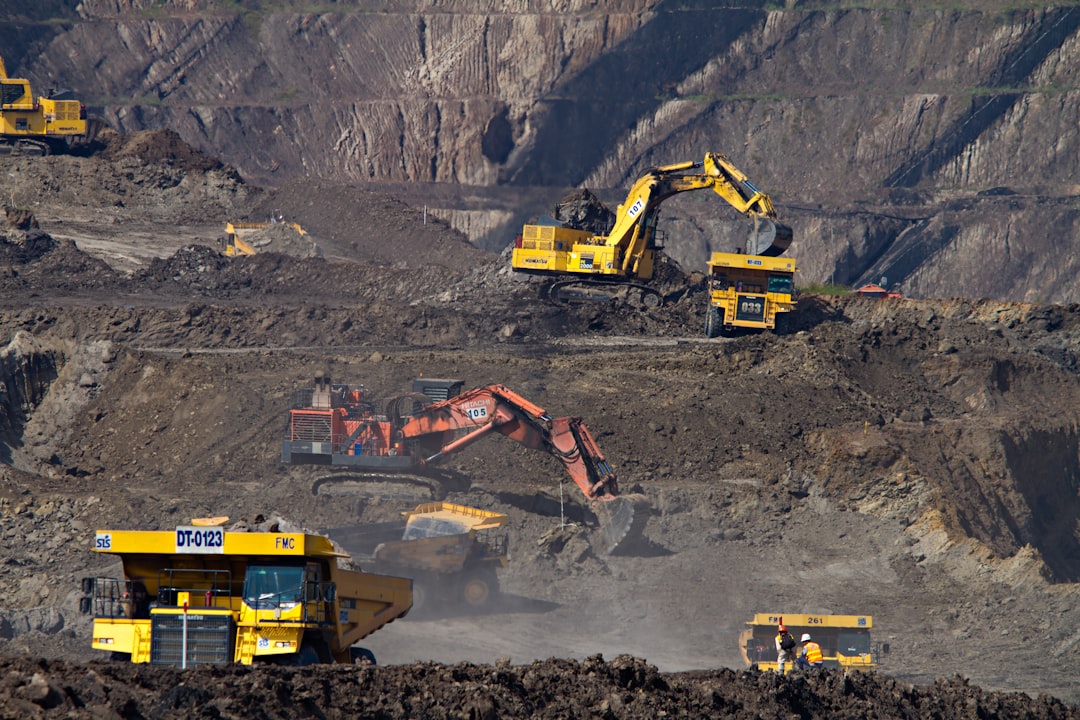
Even as Washington expands its critical minerals partnerships, scrutiny is mounting over the first major US investment in Congo's mining sector. A US firm central to the Trump administration's push to secure critical minerals from Congo overstated its mining experience, Reuters has found. Virtus, which bought Chemaf's mines in March for $30 million from the miner's shareholders, stated on its website that it had a track record in Congo due to its operating of a copper and cobalt processing plant. However, Reuters found Virtus didn't acquire the plant and that the plant has been idle since 2012, according to company documents, court records related to the disputed sale of the plant and five sources with direct knowledge of the matter.

The Chemaf deal represents the first physical investment from the U.S.-DRC (Democratic Republic of Congo) strategic minerals partnership signed last year. Despite the questions about Virtus's track record, the U.S. State Department said it "fully supports" Virtus Minerals' efforts to acquire and develop the assets, adding that "this acquisition will serve as an initial flagship U.S. investment in the DRC, to showcase that the U.S. private sector interest is real and will catalyze further investment."
Europe's First Lithium Mine Seeks Market Protection

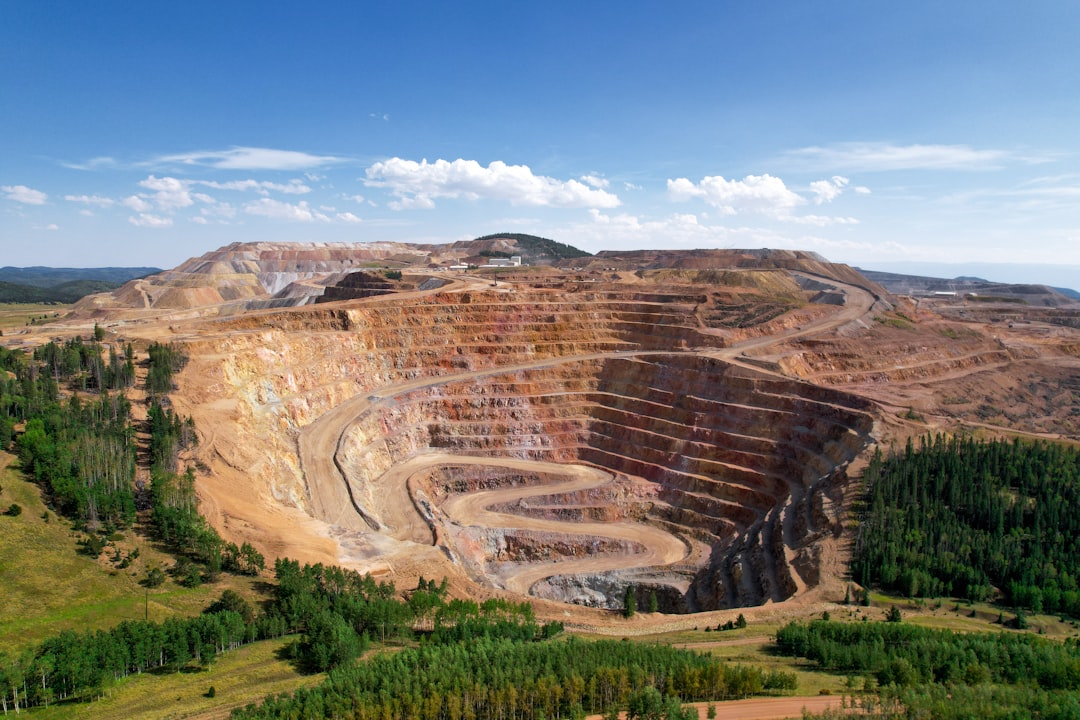
Across the Atlantic, Europe's nascent lithium industry is calling for similar protections to those the US is proposing. South Africa's Sibanye Stillwater said on Monday it is seeking concessions from the European Union to shield Europe's first large-scale lithium mining and processing venture from price volatility and unfair competition, according to CNBC Africa.

The company began mining lithium ore at the Syväjärvi open-cast mine in February and plans to commission a concentrator during the third quarter of 2026, producing spodumene concentrate at a rate of about 140,000 metric tons annually.

CEO Richard Stewart said Sibanye wanted assurances that its refinery operations would be protected from factors including oversupply from China, stating "if there are games that get played in the market, help us protect what is a very strategic asset and not ask our shareholders to carry all of that risk."

Copper Markets Face Supply Risks

In commodity markets, Goldman Sachs on Tuesday maintained its forecast for the copper price to average $12,650 per metric ton this year and its estimate of a 490,000-ton 2026 surplus for the metal, according to Reuters. However, the bank flagged emerging risks to supply chains.

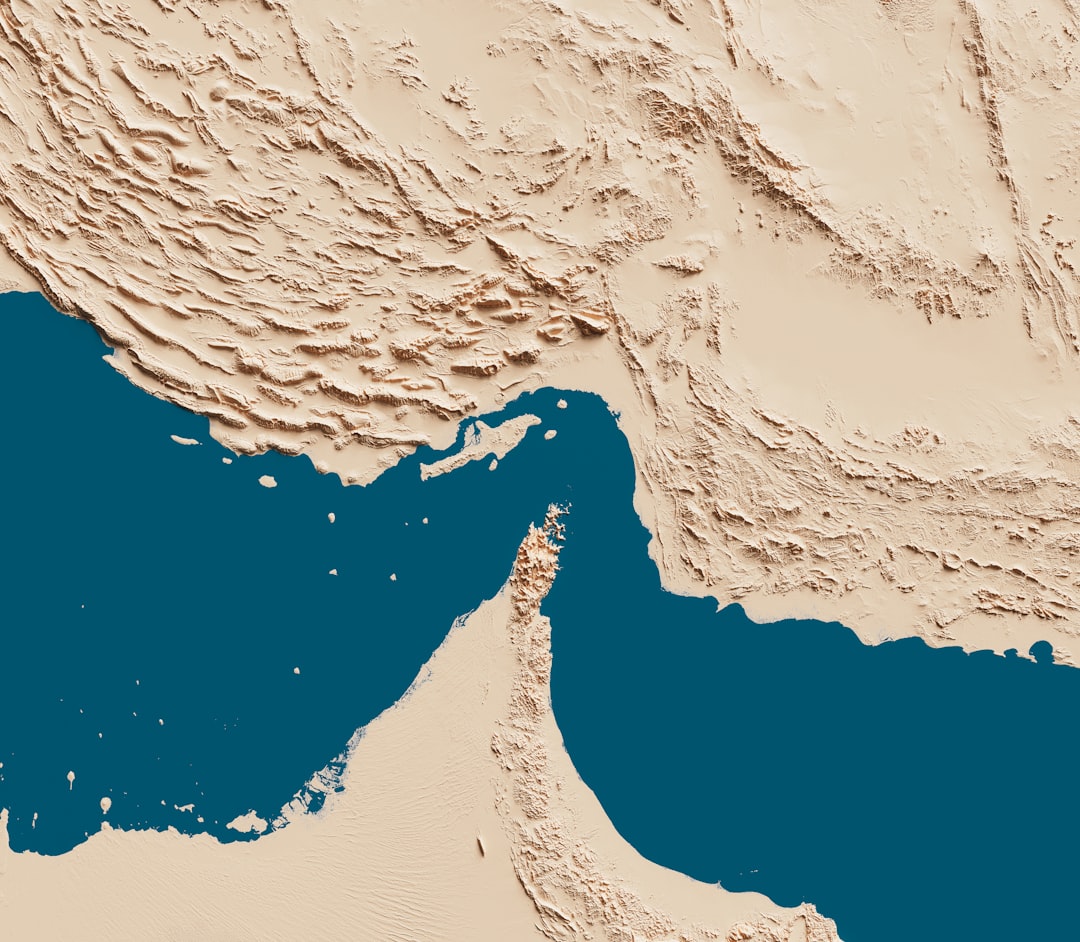
The bank flagged risks to copper supply from potential sulphuric acid shortages should disruption to shipping through the Strait of Hormuz continue. The bank said the disruption, combined with China's decision to ban sulphuric acid exports from May 1, could tighten a market critical for copper production.

Companies in the DRC still hold two to three months of inventory, but if supply-chain delays extend beyond late May through June, Goldman estimates the country could curtail about 125,000 tons of production in 2026.

Argentina Secures Lithium Financing

In South America, Argentina's lithium sector continues to attract investment despite global price pressures. Argentina Lithium & Energy has secured $100 million (C$137 million) from its Chinese partner Xi'an Lanshen New Material Technology Co. to help advance the Rincon West brine project in Salta province, according to The Northern Miner. A framework agreement disclosed on Tuesday calls for Lanshen to provide the funding across three stages of project development at Rincon West.

The deal underscores continued Chinese interest in securing lithium supplies even as Western nations attempt to build alternative supply chains. Argentina will add eight new brine-based lithium projects in the next four years, bringing the country's total installed production capacity to 409,000 metric tonnes of lithium carbonate equivalent by year-end 2030, according to estimates by Argentina's mining secretary Luis Lucero at a market event in Chile on 13 March, reported by Argus Media. The figure, which represents a 157pc increase from this year's 159,000t LCE guidance, would consolidate Argentina as one of the world's leading lithium producers.

The flurry of activity across critical minerals markets reflects an industry in transition, as governments increasingly treat these materials as strategic assets rather than simple commodities. With price floors, stockpiles, and preferential trading blocs all on the table, the era of purely market-driven pricing for critical minerals appears to be ending—replaced by a system where geopolitics and national security concerns drive as many decisions as supply and demand fundamentals.

Coverage aggregated and synthesized from leading energy-sector publications. See linked sources within the article.

Share this story

Was this article helpful?

Discussion

Not published • Used for Gravatar

0/2000 characters

Loading comments...

ClaimWatch

Mining claims intelligence — from query to map, in minutes.

Every unpatented mining claim across eleven western states. Due diligence, prospecting, and monitoring delivered as complete reports with publication-ready ArcGIS maps.

4.4M+
Claims Tracked
11
Western States
3
Report Types
Request a Sample Report
Stake & Paper AM

One morning brief. The whole energy sector.

Original analysis, the day's most important wire stories, and market data — delivered before your first cup of coffee. Free.