Markets · Analysis
Oil Markets Whipsaw as Middle East Tensions Flare While Shale Executives Resist Production Surge
Oil prices climbed on renewed Middle East tensions as Reuters reported escalating military concerns, while US shale bosses told the Dallas Fed they won't boost output despite high prices. Meanwhile, Europe tallies a $28 billion energy crisis bill and lithium markets tighten toward potential deficit.
Stake & Paper Editorial TeamApril 24, 2026
Oil prices rose Thursday on concerns over escalating military tensions in the Middle East, according to Reuters
, with
WTI crude trading at $71.50 per barrel, up 0.6%, and Brent crude at $75.20, up 0.5%, according to market data
. The gains came as
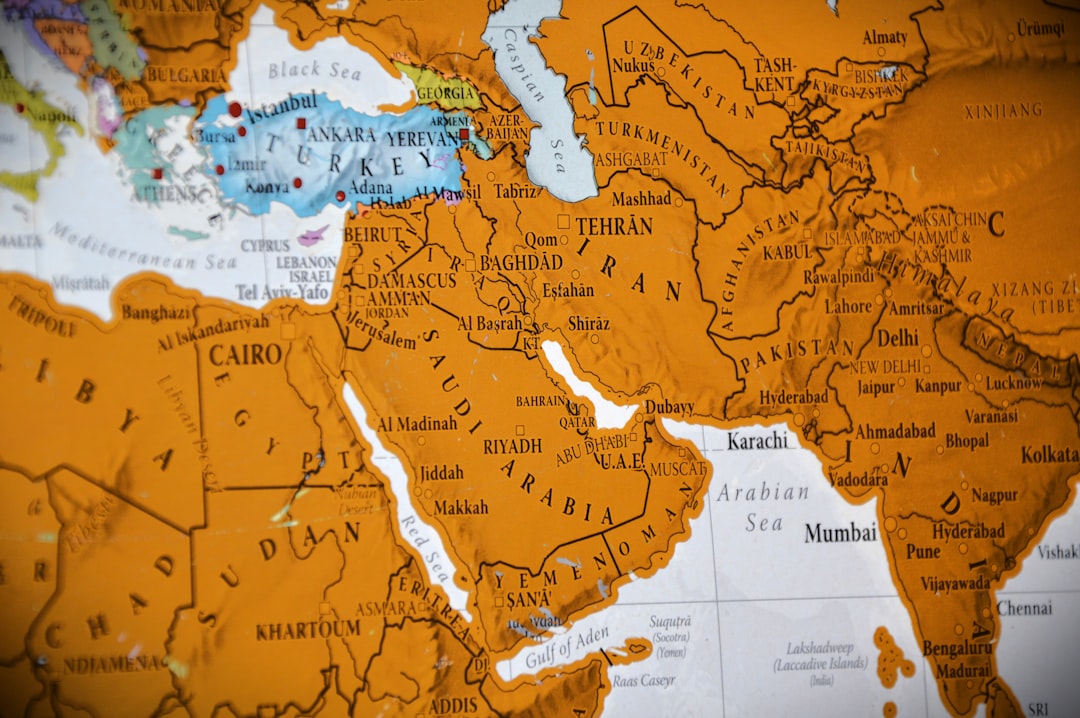
the US and Iran remained locked in a fragile ceasefire set to expire this week, with fifty days into the conflict
.
The closure of the Strait of Hormuz has been the largest disruption to world energy supply since the 1970s energy crisis, as well as the largest in the history of the world oil market
, according to multiple sources.
The International Energy Agency has characterized the situation as the "largest supply disruption in the history of the global oil market," with the head of the IEA describing it as the "greatest global energy security challenge in history"
.
Shale Bosses See "Chaos" Despite Higher Prices
Despite oil prices that have surged dramatically since late February, US shale executives are refusing to ramp up production, citing uncertainty over the conflict's duration and market volatility.
In a series of anonymous comments published Thursday from a report released by the Federal Reserve Bank of Dallas, energy executives cited chronic uncertainty over the outcome of the war and its effect on supply and demand
, Bloomberg reported.
Some respondents in the Dallas Fed survey criticized what they characterized as the inability of President Donald Trump to explain the rationale behind the conflict
. The Financial Times reported that
US shale bosses are resisting boosting oil output over Iran war 'chaos,' with a Dallas Fed survey finding that energy executives are not confident high prices will hold
.
US energy companies are hesitant to boost oil production despite the incentive of higher prices, with Rystad Energy analyst Matthew Bernstein noting that "US shale producers are not poised to quickly ramp up production for two major reasons — strategic caution and a lack of [drilled, uncompleted wells] to quickly bring online"
, according to CBS News.
Domestic oil players are unlikely to increase production so long as the duration of the Iran conflict remains hard to predict, Bernstein told CBS News
.
Europe's $28 Billion Energy Bill Mounts
The energy crisis is hitting Europe hard, with the continent already paying a steep price even before potential supply disruptions fully materialize.
The European Union has spent an additional €24 billion ($28 billion) on energy imports since the start of the war due to higher prices – or more than $587 million a day – "without receiving a single extra molecule of energy," the European Commission said in a statement
, CNN reported Wednesday.
The proposals announced Wednesday underscore the economic damage the Iran war is inflicting on Europe, which only recently emerged from the energy crunch precipitated by Russia's 2022 invasion of Ukraine, with the European Commission stating that "for the second time in less than five years, Europeans are paying the price of Europe's dependency on imported fossil fuels"
.
Adam Deasy, an economist at PwC United Kingdom, warned that "this is just the first wave of the energy shock, primarily showing up in higher prices at the pump," adding that "we are yet to see the knock-on impact of price pressures in… byproducts to oil and gas, such as fertilizer, helium, plastics or metals"
.
The crisis is already forcing painful adjustments across the continent.
A number of European fishermen have stopped fishing because profits have been hit so hard by the rise in energy and raw material costs, prompting the European Commission to trigger a "crisis mechanism" to allow EU member states to provide direct financial support to fishers and fishmongers
, according to CNN.
Lithium Markets Tighten as Supply Stalls
While fossil fuel markets grab headlines, a quieter crisis is brewing in battery metals.
Canaccord analysts said they expect to see a "material market deficit" starting in 2026, given that tightening supply has more than offset the weakness in near-term demand
, according to Mining.com.
OilPrice.com reported that
investment in new lithium supply is threatening to tip the global market for the battery metal into a deficit, beginning as early as this year, with Canaccord noting that the supply of lithium has tightened considerably, even as demand for electric vehicles has weakened
.
The deficit may last for quite a while, until 2035
, the report added.
Lithium prices surged in Q1 2026, with battery-grade lithium carbonate nearly doubling to US$26,278 per ton, as supply delays and speculative buying fueled the rally
, according to Investing News.
Lithium carbonate prices in Asia rose more than 90 percent from lows seen in October, while spodumene concentrate surged even further, reflecting upstream constraints, with prices increasing "because markets switch into deficit"
, analysts told the publication.
Trump Warns Americans on Gas Prices
Adding to consumer concerns,
President Trump told Americans they should expect to pay more for gasoline "for a little while," according to Reuters
. The comment came as
gas prices hit $4 per gallon on March 31, 2026, as the war with Iran caused a surge of 30% in gas prices
, according to reports on the economic impact of the conflict.
Vitol CEO Russell Hardy said on April 21 that one billion barrels of oil production will be lost because of the war, and that the current loss was between 600 and 700 million barrels
, highlighting the scale of the supply disruption.
The energy landscape is being reshaped by forces beyond traditional market dynamics. From the Strait of Hormuz to European gas storage facilities to lithium processing plants in China, the interconnected nature of global energy markets means disruptions ripple across sectors and continents. As the ceasefire between the US and Iran hangs by a thread, energy markets remain on edge, with prices reflecting not just current supply and demand, but the profound uncertainty about what comes next.